

Writing: Why Bother?
Part 1/2: The world screams at us to go faster. Slowing down is an act of rebellion.
Be intentional
Recently a leader at my day job shared her thoughts on the danger of outsourcing too much of our thinking. Her words were wise, measured, and full of warmth; it was a message designed to uplift and inspire, not demonise technology or lecture. She called for us to be intentional with our choices and actions.
There’s a lot of discussion in the literary sphere about use of AI in the writing process. Can it help? When is it appropriate (if ever) — outlining? research? editing? or the task all writers dread, the query letter?
Values are at the heart of this discussion. Taking it back to basics:
Why I write
There are a hundred ways I could answer this question. Writing is an intrinsic part of my identity, impossible to condense into a pithy one-liner. But I’ll summarise:
Writing is difficult
Writing stretches me emotionally, cognitively, philosophically, ethically, artistically, and socially.
I write for the challenge. What would be the point of doing this if it were easy? Yes, sometimes when I’m excited about an idea, my typing fingers can hardly keep up with my thoughts and I enter that glorious flow state, but it’s never effortless.
One of my most influential writing mentors, the poet and professor Lex Runciman, once told me about how he draws a distinction between work and effort. Effort is energy; nearly everything takes effort, such as writing, maintaining our closest relationships, and anything else that brings us a sense of achievement. Work, however, was effort he didn’t particularly enjoy or find rewarding (such as preparing your tax return).
When I reflect on the years I’ve spent writing, it’s never felt like work. Effort, oh yes. Sometimes extremely frustrating, borderline agonising, but I’ve never thought of it as a chore.
Writing makes me a better person
For some of the same reasons that reading makes us better people: it helps us see differently. When I write, I step into others’ shoes. I inhabit other points of view and consider the emotions of others.
It allows me to explore dark, nebulous topics with time, care, and nuance. It provides me with an outlet for similarly complicated emotions and thoughts, providing a safe space to prod, vent, and review them with a degree of distance. Through this process, I gain understanding and calm my nerves. I see more clearly.
Writing enriches daily life
Much in the same way that photography, drawing, painting, or sculpting enriches our view of the world, writing helps the pedestrian become extraordinary.
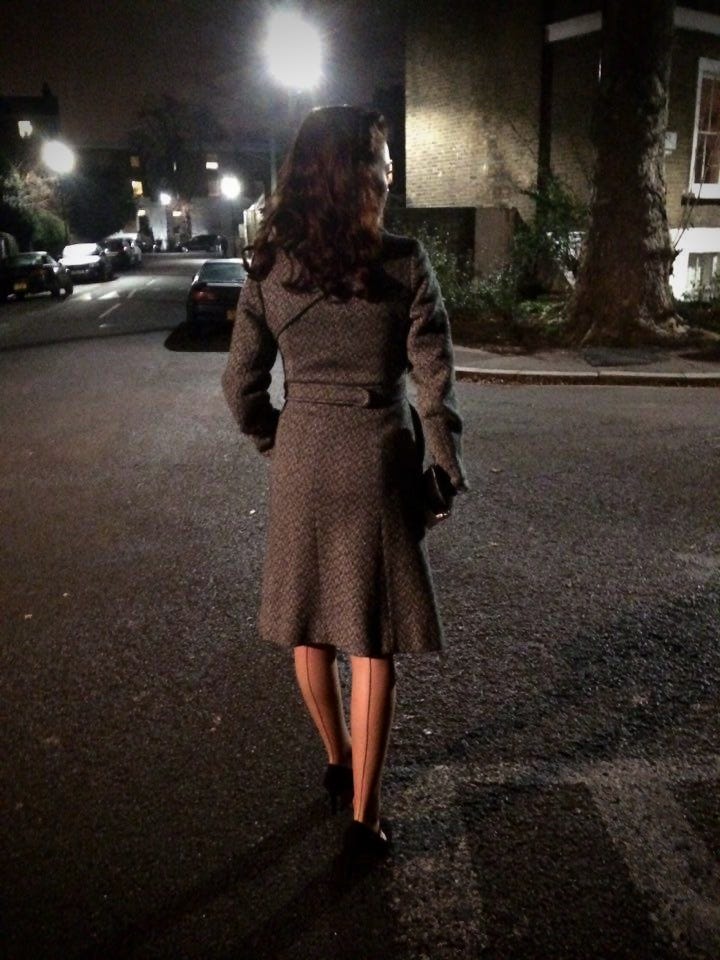
A turn of phrase can light up like a firework in my skull and ricochet around. A gesture, a movement, or a sartorial choice becomes sacred, worthy of notice, of blessing, of documentation. I stash these away and assign them to patchwork characters.
Writing keeps my brain from turning into mush
When I haven’t written in a while, I feel sluggish and foggy. Not myself. Engaging in writing makes me more alert and thoughtful, improving my overall wellbeing. When I’m immersed in a project, I daydream during menial tasks such as driving, cooking, or lap swimming. I feel the urge to jot down notes.
Creation has a protective effect against rumination, worry, and doomscrolling. Research supports these cognitive benefits; a recent study suggests reading and writing lower the risk of dementia.1
I write to read the book I cannot find elsewhere
The Skeleton House was written, in part, because I was unsatisfied by the portrayals I read of domestic violence. I was weary of overt abuse from Chapter 1. I was annoyed by caricatures in popular media (e.g. the cowering woman in the corner). I wanted to document how a relationship could twist from mild annoyances, small oversteps, maybe-misunderstandings, lingering feelings of “not quite right”, into the sinister network of coercive control and more obvious, overt violence.
I needed to read Meg’s story, and perhaps other women did too.
Writing connects me with other people
Reading and writing are inherently social activities.
This may seem counterintuitive if you imagine someone on a park bench alone with a coffee and a book, or the stereotype of a solitary, frazzle-haired writer in the attic with a cigarette dangling out of their mouth as they curse their typewriter.
We write and read to exchange ideas with other people. Writing has brought me the most wonderful community. I struggle with big crowds, but in a room full of readers and writers, I know I’m among friends.
To summarise, the main reasons I write:
Writing challenges me
The reflective writing process makes me a better person
Writing enriches my enjoyment of daily life by forcing me to slow down and appreciate detail
The writing process provides me with cognitive benefits
I write the books I want to read
Writing connects me with others
Friction vs Optimisation
Modern life is a constant push-and-pull. Capitalism screams to earn, buy, consume, and rush. These same pressures are packaged into “treat yourself” and “mindfulness”, weaponising self-care into something that can be packaged and sold.
Friction is apparently here to save us. “Friction-maxxing”2, or intentionally choosing the path less convenient, promises to heal our attention spans and calm our nervous systems. Friction can help counter the apathy and complacency initiated by same-day Amazon delivery and DoorDash — services that promise us optimisation, ease, and comfort, but leave us feeling empty and used as we sit on our sofas in athleisurewear, bombarded with a 24/7 lifestream of all the terrible things happening in the world.
“Friction-maxxing” may be the current buzzword, but haven’t we always known that the good things in life take effort? And if something seems too easy or too good to be true, we should be suspicious?
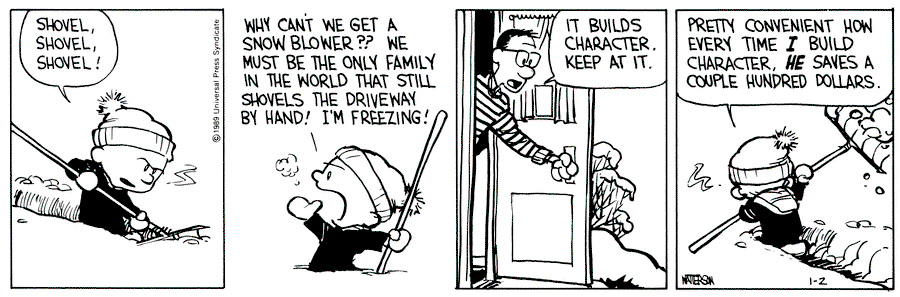
I swear this isn’t some “I walked uphill in the snow both ways to school” rant. I’m not looking for people to do things the hard way for the sake of it.
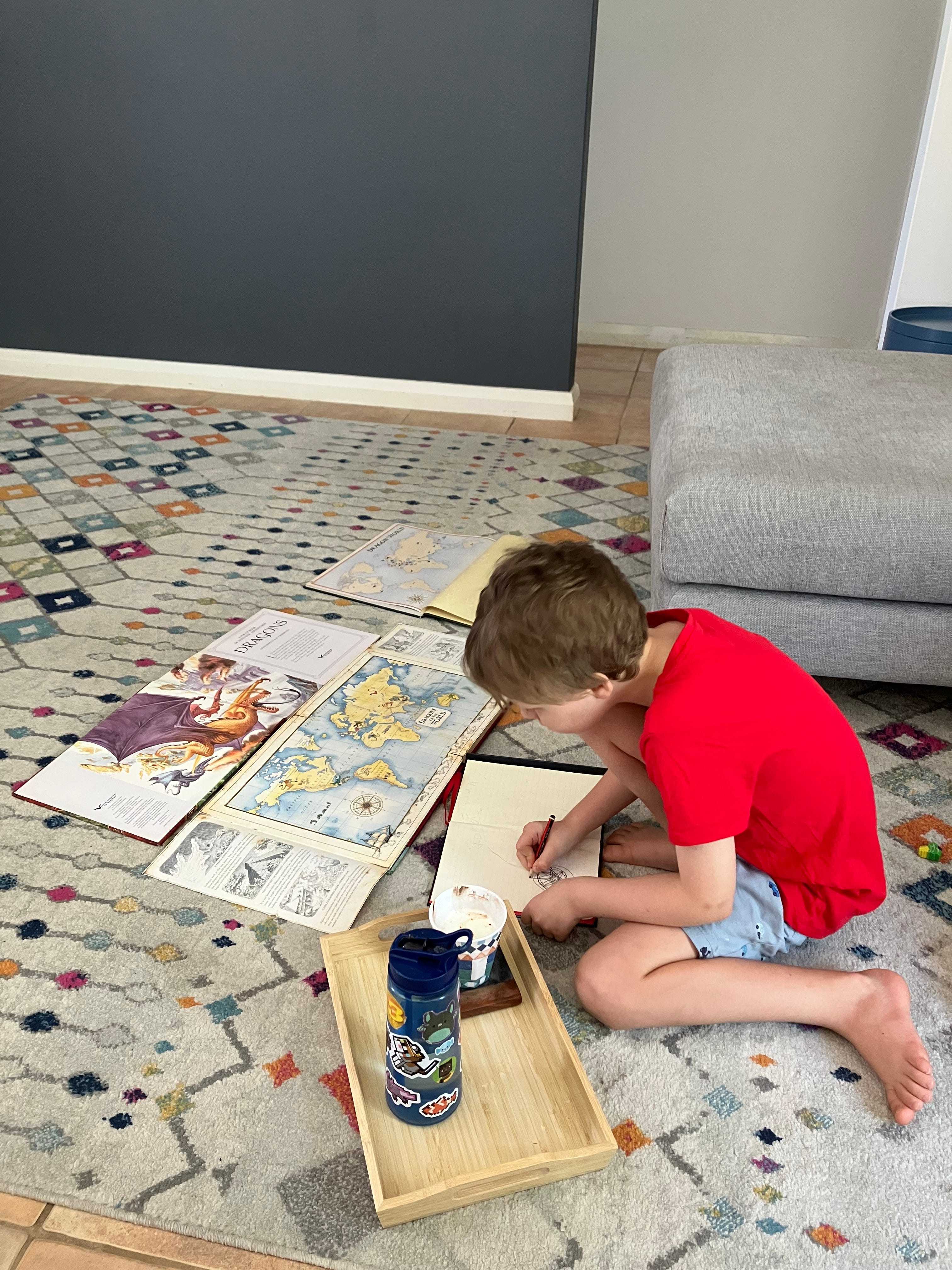
I’m hopeful that our innate humanity will save us. I look to the children: my seven year-old nephew knows in his beautiful little heart that there is intrinsic value in his learning to draw and write about dragons in his meticulously-kept dragon journal. He has existing dragon books, oodles of them, professionally published with detail and precise drawings. But reader, he needs to make his own. He needs to clutch a pencil in his hand and figure it out himself.
The urge to create and strive is instinct. Toddlers throw tantrums because they want to put their shoes on all by themselves even though it takes fifteen minutes, eight side quests, two songs, and a snack to complete the task.
Older children will spend hours playing pretend with sticks and pinecones but will stuff the contents of their messy room under their bed. Why? They understand the work/effort distinction. They use shortcuts for work tasks, not the joyful effort of play.
I’m not sure when we grew out of this need, or the pride in doing things by ourselves, but I think it’s time to tap back into our inner child. Ignore the cheap plastic toys that light up and only do one thing loudly and annoyingly (e.g. GenAI, endless scroll on social media). Instead, turn our attention to the foundational materials that bring us value and open a world of possibilities (paint and paintbrush, Lego, paper and pen, clay).
Join me next week for Part 2 where I break down the various uses of AI in writing and determine whether or not they pass the vibe check.
Link: https://www.theguardian.com/society/2026/feb/11/reading-writing-lower-dementia-risk-study-finds
Link: https://www.bbc.com/future/article/20260227-can-friction-maxxing-fix-your-focus
What a lovely article!
I think there is (and was!) something innately good about that friction, and now that it’s gone we’re like untethered astronauts floating endlessly into space.
A beautiful ode to the creative process.